Dr. Woo Shik Shin, PhD
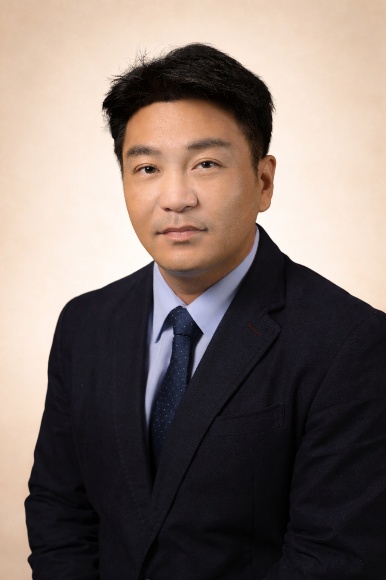
Dr. Woo Shik Shin, PhD
Pharmacy College of Pharmacy and Health Sciences
Florham Campus
Fairleigh Dickinson University
Project Title
Development of a Novel Non-β-Lactam Covalent Allosteric Inhibitor Targeting Multidrug-Resistant MRSA
Project Details
Principal Investigator
Dr. Woo Shik Shin, PhD
Pharmacy
Fairleigh Dickinson University
External Partner(s)
Dr. Robert A. Bonomo, MD
Medicine, Pharmacology, Proteomics, Biochemistry, Molecular Biology, and Microbiology
Cleveland VA Medical Center / Case Western Reserve University
Project Period
February 1, 2026, to January 31, 2027
Project Description
Dr. Woo Shik (Austin) Shin has been awarded an FDU Seed Grant to support research aimed at addressing multidrug-resistant Staphylococcus aureus (MRSA), a persistent and serious public health concern. MRSA infections occur in both hospital and community settings and are increasingly difficult to treat due to resistance to widely used antibiotics. This resistance is largely driven by structural changes in a bacterial enzyme known as penicillin-binding protein 2a (PBP2a), which is essential for bacterial cell wall synthesis. Dr. Shin’s research investigates a distinct strategy that targets a regulatory (allosteric) site on PBP2a rather than the traditional active site used by most antibiotics. By stabilizing the enzyme in an inactive form, this approach aims to disrupt bacterial survival while bypassing common resistance mechanisms. Because the molecular target is specific to the bacterium and absent in human cells, the strategy is designed to maintain low host toxicity. Preliminary studies in Dr. Shin’s laboratory have identified a promising lead compound demonstrating activity against clinical MRSA isolates and encouraging results in preclinical models. The Seed Grant will support further refinement and focused evaluation of this compound to strengthen the scientific foundation of the project.
Problem Addressed
Antimicrobial resistance remains one of the most significant challenges facing modern medicine. Among resistant pathogens, MRSA is particularly concerning because it is frequently encountered in both healthcare and community environments and can cause serious, life-threatening infections. The structural resilience of PBP2a enables MRSA to evade many existing β-lactam antibiotics, limiting treatment options and increasing healthcare burdens. By targeting a regulatory site distinct from the conventional active site, this project explores a mechanistically differentiated approach designed to bypass resistance mutations and impair bacterial cell wall synthesis at its structural core.
Who Will Benefit
This project strengthens FDU’s research capacity in antimicrobial drug discovery while generating foundational data for future external funding. It enhances laboratory readiness and supports continued development of structure-guided medicinal chemistry research. Importantly, the award expands hands-on research opportunities for FDU undergraduate and graduate students, fostering student engagement in antimicrobial research and contributing to workforce development in biomedical sciences.
Goals During the Grant Period
During the grant period, Dr. Shin’s laboratory will focus on generating targeted proof-of-concept data through computational refinement, biochemical validation, and preliminary antimicrobial evaluation of selected lead compounds. The primary objective is to produce high-quality pilot data that will support submission of a competitive NIH R15 grant application to expand this research program. The Seed Grant also supports laboratory setup enhancements and student participation, reinforcing the research environment at FDU.
Broader Impact
By investigating an alternative strategy to overcome MRSA resistance, this project contributes to the broader scientific effort to address antimicrobial resistance through mechanism-based innovation. Through this Seed Grant, FDU is investing in research that strengthens institutional capacity, promotes student involvement in discovery science, and positions the program for future growth through competitive external funding.